





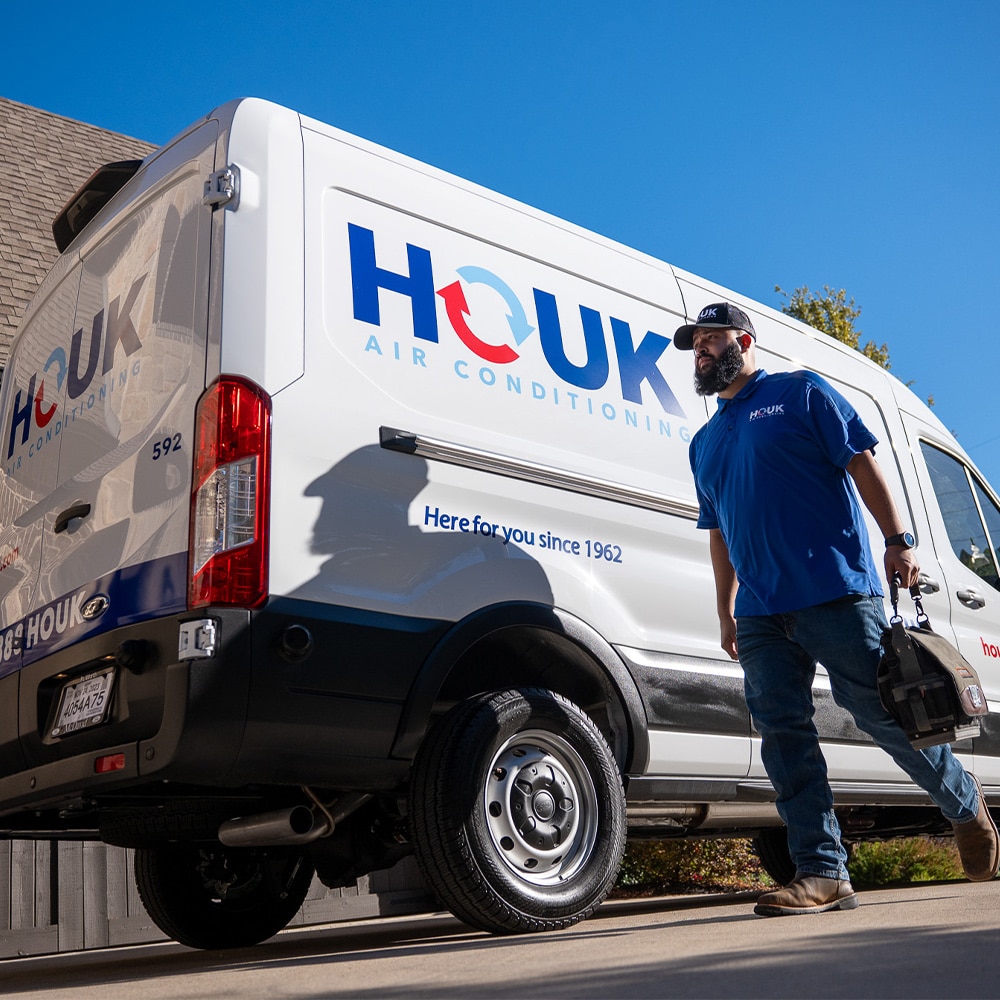
The Preferred HVAC Company for DFW, Austin, San Antonio, & Houston
Houk Air Conditioning and Houk Mechanical have been trusted since 1962. We are here to serve our customers with guaranteed satisfaction.Our HVAC technicians are well-trained and love their work. They are part of the Houk family and want to share their knowledge with you. Combining our expertise with the most technologically advanced equipment available today, we deliver reliable, energy-efficient, and long-lasting comfort for years to come.
* With approved credit. Call for details.

Is It Time to Replace Your AC? Schedule a Comfort Analysis
Central AC units typically have a lifespan of about 10-15 years with proper maintenance. If you got your HVAC systems with your home, it can be hard to know how well the last owner maintained them. If you have high energy bills, frequent repairs, too much dust, or poor performance, it might be time to upgrade.
When you pick Houk for HVAC replacement, your Comfort Consultant will do a load calculation. They will check your ductwork and measure your home with laser tools, among other tasks. That way, they can recommend a bespoke system for your needs. Each of our recommendations has a high seasonal energy efficiency ratio (SEER rating). This helps you save money and improve performance!
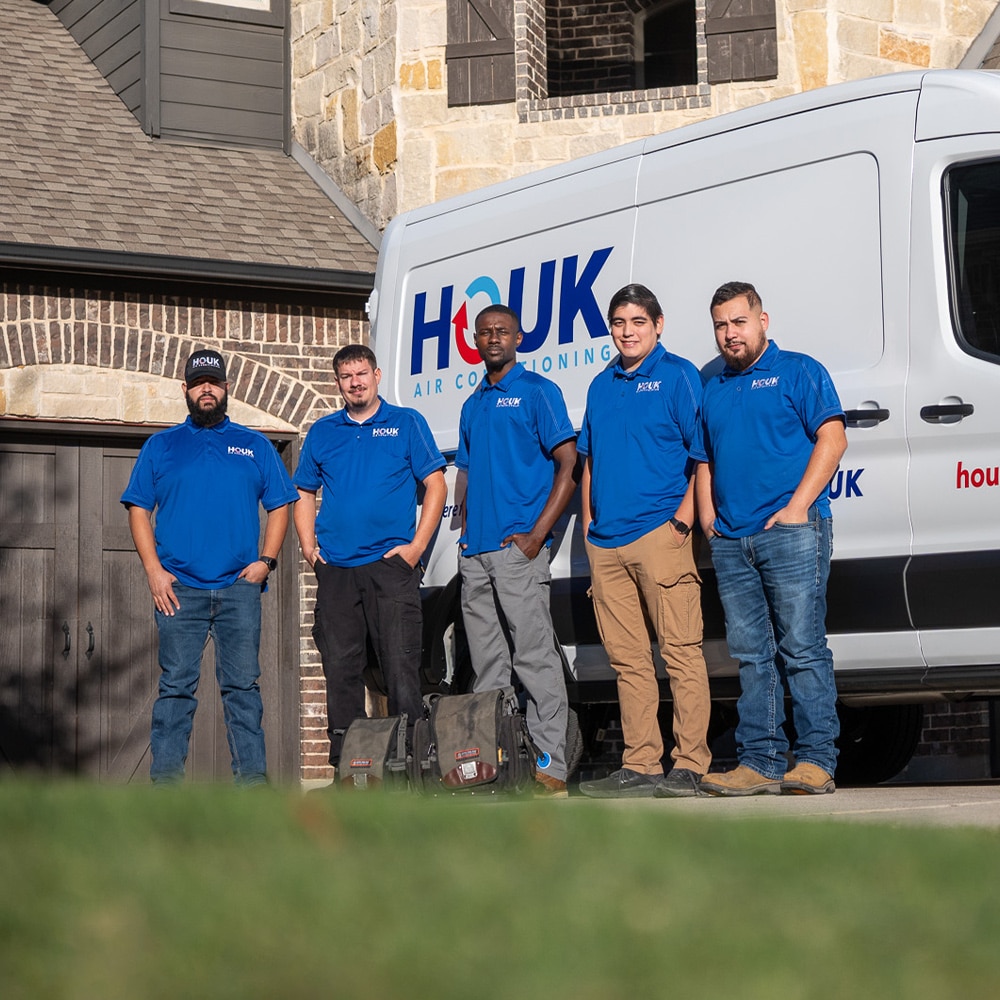
Now Hiring HVAC Techs and Installers
If you’re an ambitious HVAC expert who is ready to learn, grow, and be treated like a pro, Houk wants to hear from you. Our elite team operates like a family, and we don’t just say that. We back it up with the best pay and benefits in the Dallas-Fort Worth, Houston, Austin, and San Antonio areas. Get the respect you deserve and take your career to the next level with Houk.
Get the Latest Tips & Insights at Houk Air University
Learn DIY tips, step-by-step instructions for maintaining your home’s HVAC system, and other crucial tips on our blog. From videos to easy-to-read articles, we make it easy for you to get the answers that will help you protect your investment for years to come.
*With approved credit. Call for details.
Hear From Happy Customers Like You



Get In Touch With Houk Air Conditioning
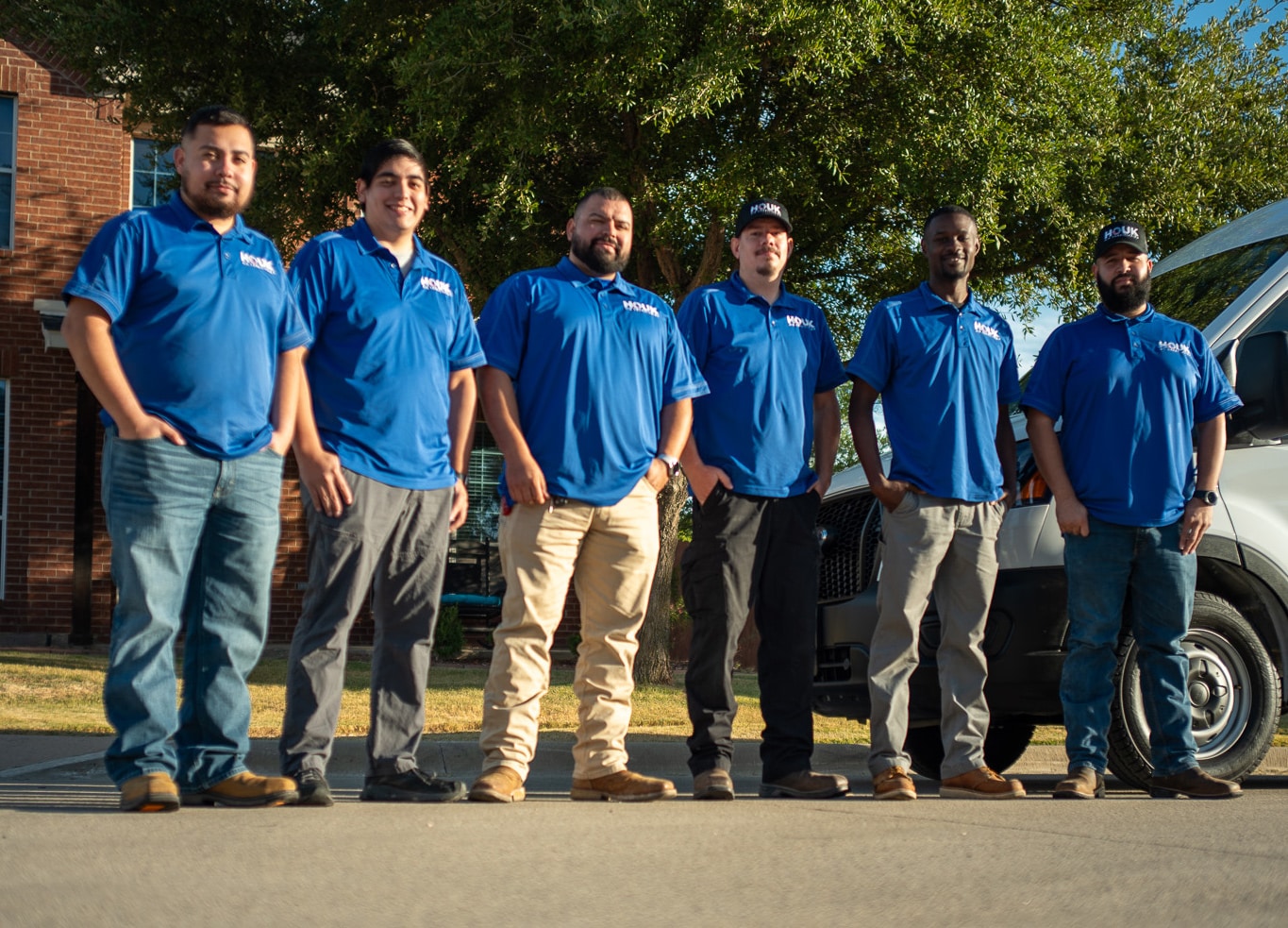
Contact Our Team of Texas HVAC Experts
Life is too short to spend it sweating, shivering, or sneezing in your own home or place of business. From our Maintenance Program to our A/C repair services, Houk is always there to help you take on any heating, cooling, or indoor air quality problem with ease.
With help from our Comfort Consultants and HVAC repair experts, you can regain control without spending too much. When you need to make the call to an HVAC company in Texas, make it in confidence when you choose Houk.
Find Your Nearest Comfort Specialist in Texas
With locations throughout North, South, and East Texas, Houk Air Conditioning and Houk Mechanical are ready to deploy to your home or business quickly and efficiently. Contact us for superior HVAC service in the Dallas-Fort Worth Metroplex, Houston, Austin, or San Antonio.